spirits
The history of vodka: origin, development and diversity
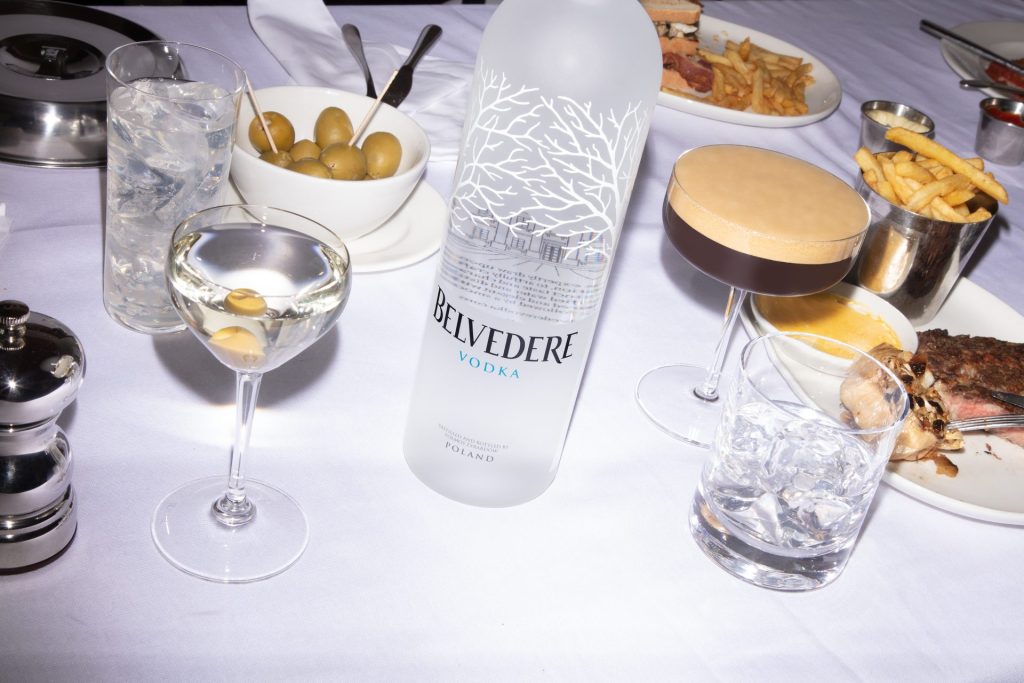
Vodka is one of the best-known and most popular spirits worldwide. Its clear, neutral character makes it the ideal base for cocktails and mixed drinks. But behind this apparent simplicity lies a long and fascinating history, deeply rooted in the traditions of Eastern Europe. In this article, we take a detailed look at the origins of vodka, its production process, and the different types Available today.
The origins of vodka: Where it all began
The exact origin of vodka remains disputed. The name derives from the Slavic word "woda" (water) and refers to the purity of the drink. Both Russia and Poland claim to have invented vodka, and the first records date back to the 8th and 9th centuries.
Early distillation techniques
Even back then, alcohol was distilled in Eastern Europe, initially for medicinal purposes. However, the first vodkas were far from today's quality – they were often harsh and impure. It wasn't until the 14th century that Russian and Polish distillers developed more advanced methods, which led to vodka gaining popularity, especially among the nobility and the Orthodox Church.
The breakthrough in the 17th century
In the 17th century, vodka began to take on its present form. The first commercial distilleries were established in Russia, and the quality improved through repeated distillation and filtration processes. Vodka became the national drink and was an indispensable part of celebrations.
The production process: From ingredient to clear distillate
Modern vodka production is based on purity and precision. The two main ingredients are the raw material and the water.
-
Raw materials: grain, potatoes and more
Vodka can be made from various base ingredients, including:
- Grain crop (e.g. wheat, rye): Frequently used in Russia and Poland, it gives the vodka a mild taste.
- potatoesParticularly common in Poland and Sweden, they provide a creamier texture.
- Fruits/Sugar sourcesIn France, vodka is often made from grapes or sugar beets, which produces subtle flavor nuances.
-
Fermentation and distillation
First, the raw material is fermented – yeast converts the sugar into alcohol. The resulting "mash" contains approximately 6–8% alcohol. This is followed by distillation, in which the alcohol is repeatedly evaporated and condensed to ensure purity. Some premium vodkas are distilled up to five times.
-
Filtration and refinement
After distillation, vodka is filtered, usually through activated charcoal, to remove impurities. Some producers use precious metal or diamond filters to further refine the flavor.
-
Dilution and bottling
Since distilled vodka has a very high alcohol content (up to 95%), it is diluted with pure water to about 40% before bottling. The quality of the water plays a crucial role in the final taste.
Conclusion: Vodka – More than just a spirit
From a simple remedy to a global cult spirit, vodka's history is marked by both tradition and innovation. Thanks to its neutral base, it's perfect for cocktails, while high-quality premium varieties can also be enjoyed neat. Whether classic, flavored, or made with special ingredients, vodka offers a fascinating variety for connoisseurs worldwide. If you're looking for premium vodka, Wine In Time offers high-quality vodka from the world-renowned Polish brand Belvedere . Order now and enjoy our fast and free delivery in Vienna!
Belvedere Pure Summer Edition NV - 0,7l
Belvedere Pure Illuminator NV. 1,75l
Belvedere Pure Illuminator NV - 3l