
varieties
Interesting facts about Sauvignon Blanc
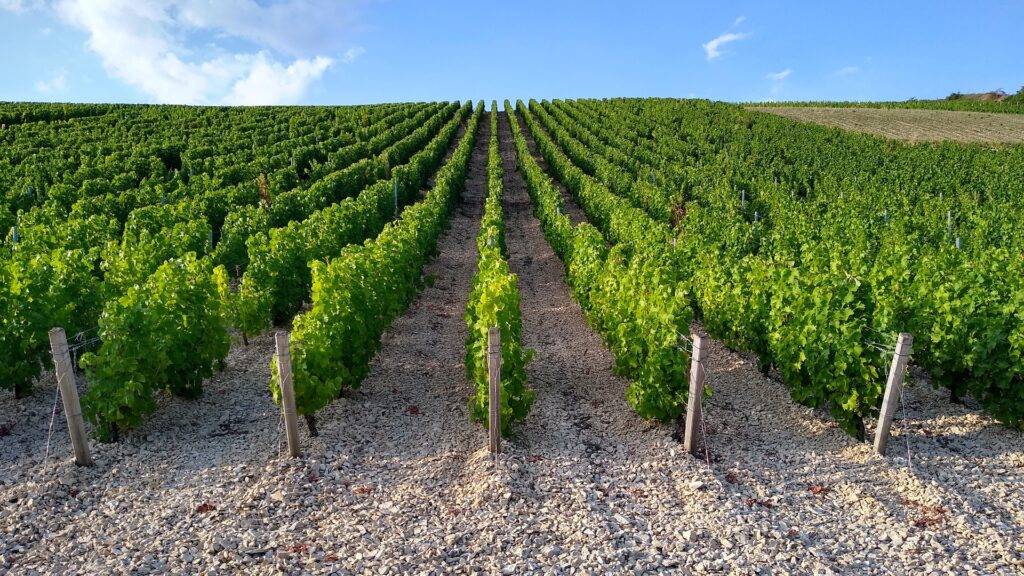
Sauvignon Blanc, also known as Blanc Fumé, is one of the world's most widely planted White Wine grape varieties. After Chardonnay, it is the most important quality variety. The cultivation of this wine, originally from the Loire Valley in France, continues to grow, experiencing an increase of up to 70% between 2000 and 2010. Mutations of Sauvignon Blanc include varieties such as Sauvignon Gris, Sauvignon Rosé, Sauvignon Noir, and Sauvignon Violet.
The plant is recognizable by its open shoot tip, which is slightly reddish and has a hairy surface. The leaves are yellowish and also hairy. The Sauvignon Blanc berries grow small and densely packed. They are cylindrical and have a light yellow color when ripe.
A warm location with fertile soil that is not too dry is important for the proper ripening of the berries. Because the leaves and berries grow so close together, this variety requires considerable effort.
The spicy bouquet of Sauvignon Blanc is reminiscent of blackcurrant with a grassy, green note. In some cases, it develops a bell pepper aroma when fully ripe. Our wine of the week is very versatile in terms of flavor. Its acidity makes it ideal for pairing with seafood, fish, poultry, as well as veal or fresh asparagus dishes. Sauvignon Blanc is also served as an aperitif.
Sauvignon Blanc: aromas & character
Sauvignon Blanc impresses with its distinctive aromas: typical notes include gooseberry, blackcurrant, green bell pepper, and fresh grass. Its lively acidity makes it a refreshing and easy-drinking White Wine.
The most important Sauvignon Blanc regions
Sauvignon Blanc originated in the Loire Valley, where Sancerre and Pouilly-Fumé set the standard. New Zealand (Marlborough) made Sauvignon Blanc world-famous; Styria also produces precise, mineral-driven examples. Sauvignon Blanc is an ideal accompaniment to goat cheese, asparagus, or fish.