Uncategorized
Maceration Explained: A Traditional Method Behind Premium Alcohol Flavours
Maceration is a versatile extraction method used across many industries, from perfumes and herbal remedies to culinary infusions and essential oils.
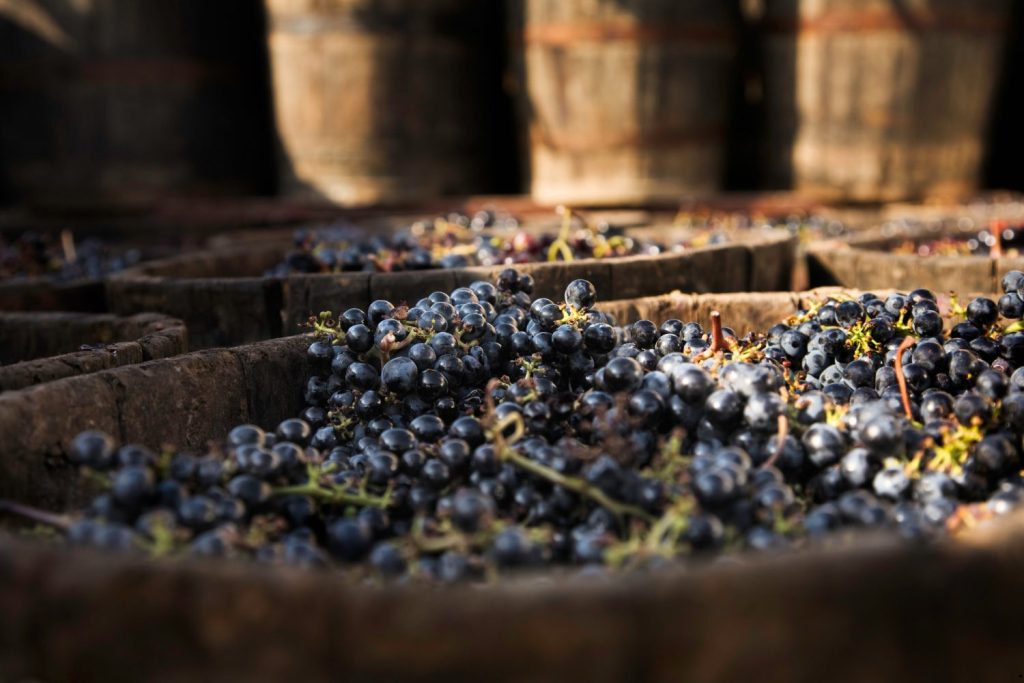
In alcohol production—especially in wine, spirits, and liqueurs—maceration refers to soaking fruits, grape skins, spices, or botanicals in alcohol or fermenting juice. During this process, the liquid absorbs pigments, essential oils, tannins, and aromatic compounds from the solid ingredients. Because the method typically requires no heat, it preserves delicate flavours that might otherwise be lost.
In winemaking, maceration plays a key role in shaping a wine’s structure and complexity. Letting grape skins remain in contact with the juice can influence colour, texture, and tannin levels. In spirit production, maceration stands at the heart of crafting liqueurs, amaros, aromatised wines, and botanical gins.
The History of Maceration
Maceration is an age-old technique with origins that span thousands of years. Ancient civilisations, including the Egyptians and Greeks, used it to extract medicinal properties from plants. By soaking herbs and flowers in oils or wine, they created potent remedies, fragrances, and ritual drinks.
During the Middle Ages, European monks refined maceration even further. Monastic communities developed herbal liqueurs and tonics, preserving healing plants through alcohol. Many iconic spirits that exist today—such as Benedictine and Chartreuse—can be traced back to these early apothecary traditions. As distillation techniques evolved, maceration became a cornerstone of spirit craftsmanship. From early fruit brandies to today’s botanical gins and amaros, infusing ingredients in alcohol has always been a precise way to capture fresh, natural flavours. Even now, maceration remains one of the most respected methods in both traditional winemaking and premium spirit production.
Alcohol Brands That Use Maceration
Many renowned alcohol brands rely on maceration to create their signature styles. For example:
-
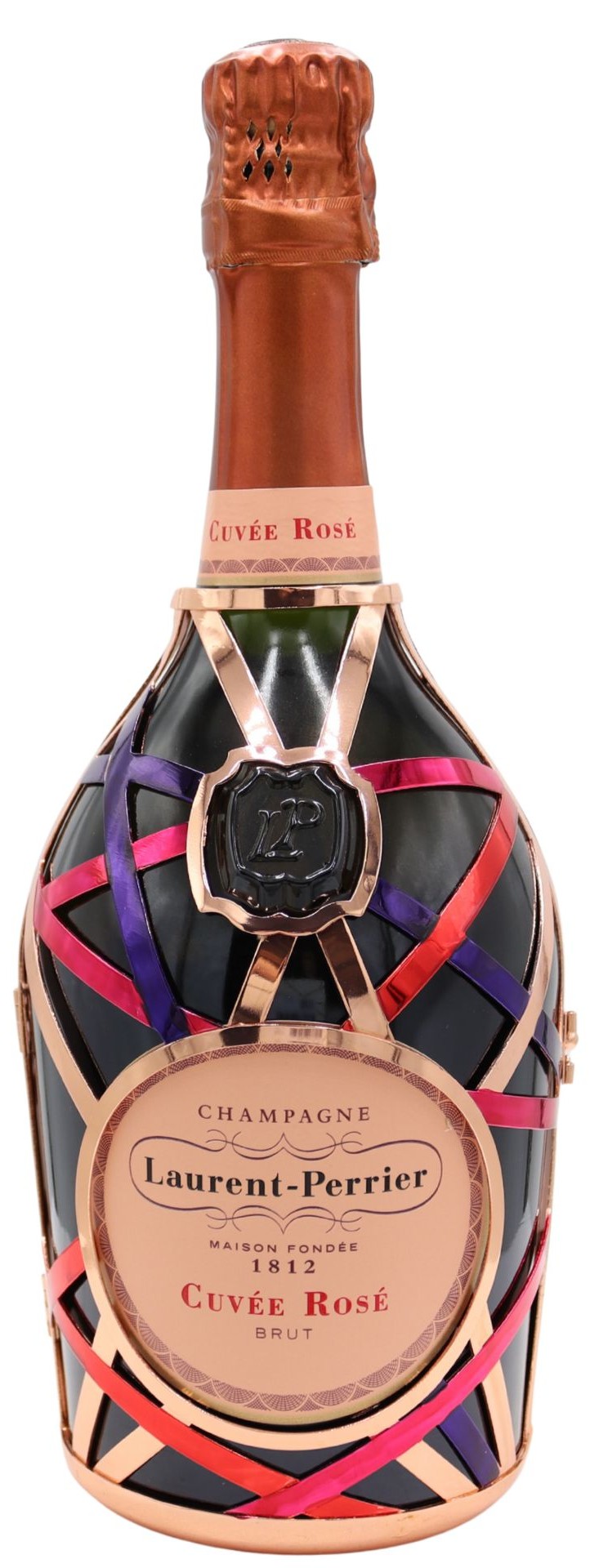
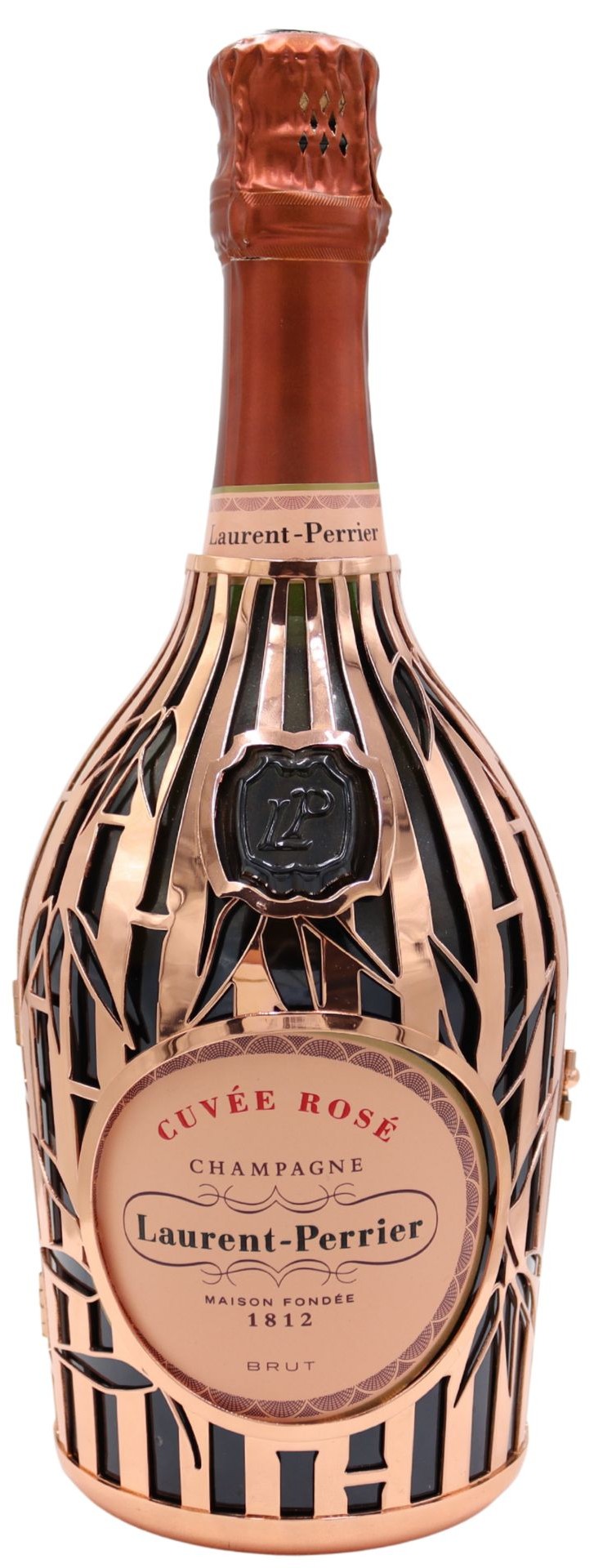
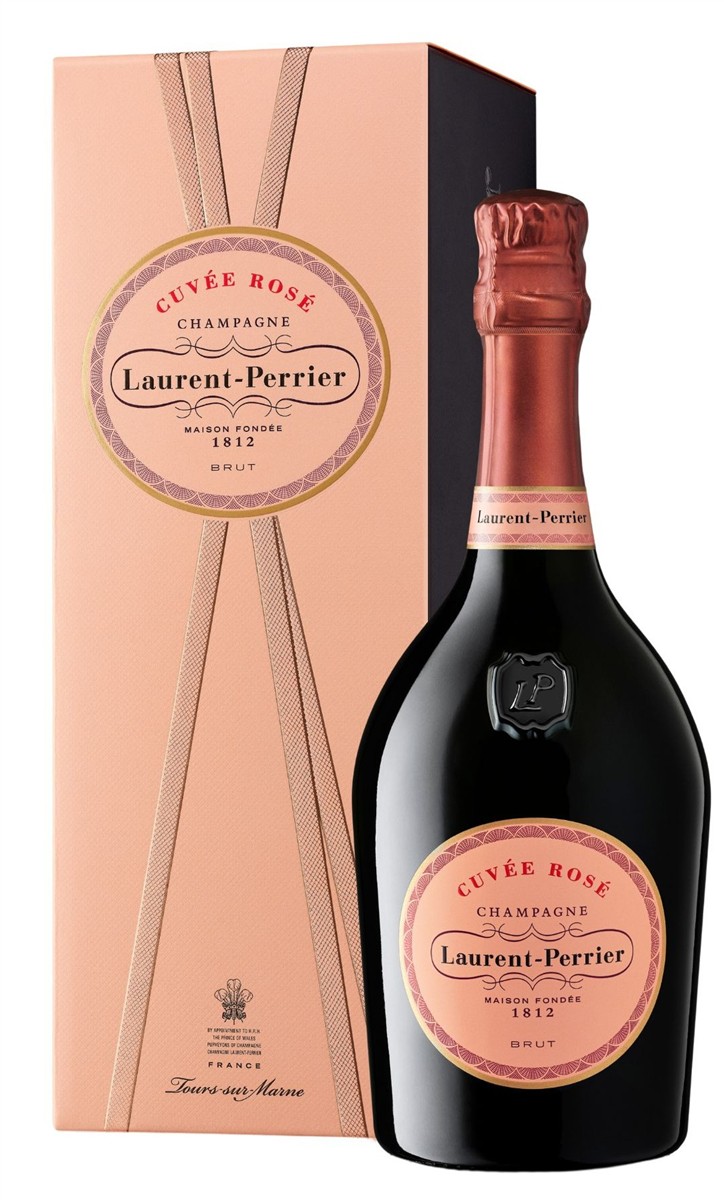
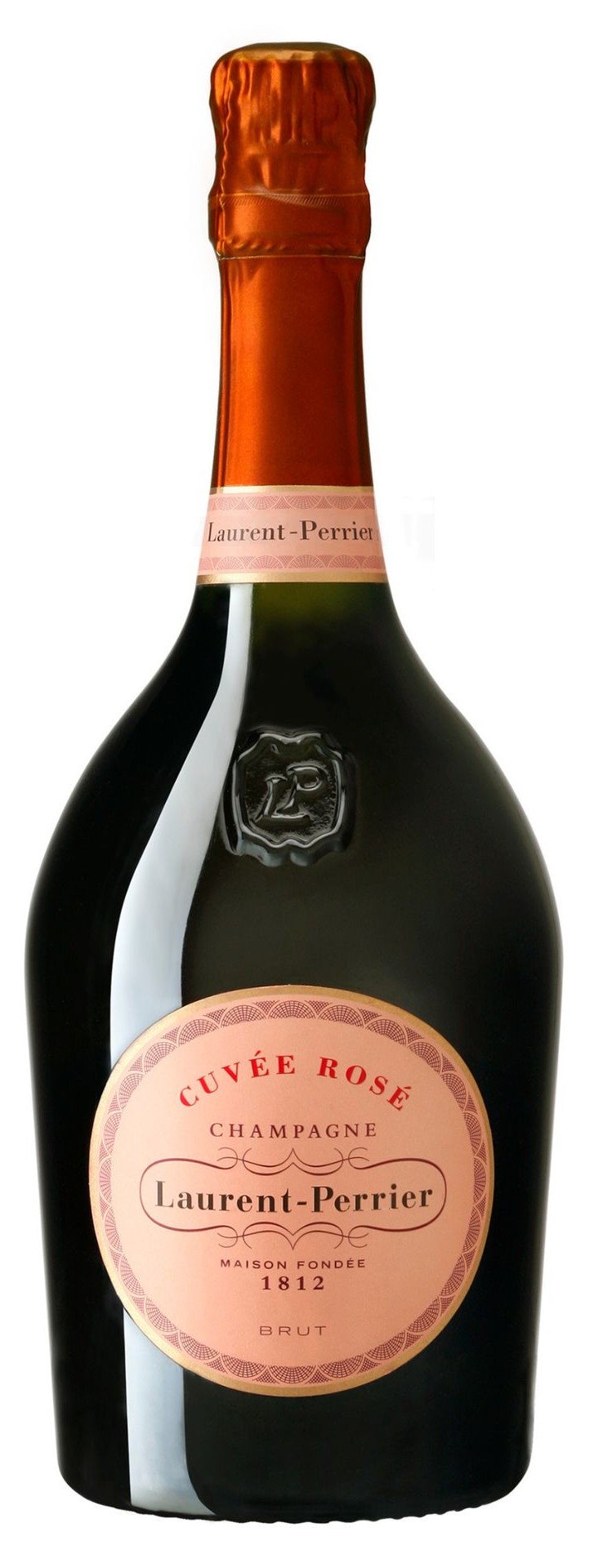
Laurent-Perrier Rosé Champagne uses the maceration (or saignée) method, where Pinot Noir grapes stay in contact with their skins to achieve natural colour and vibrant red-fruit aromas.
-
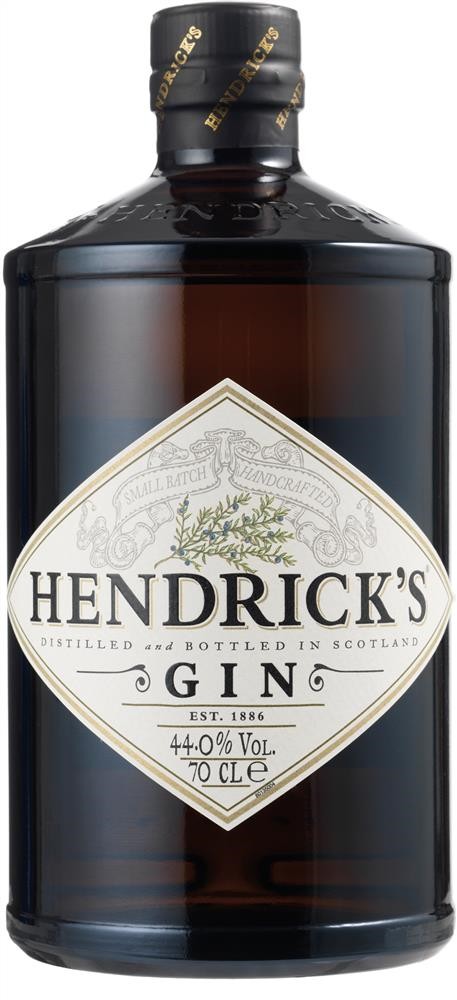
Hendrick’s Gin incorporates macerated botanicals before distillation, enhancing depth and aromatic intensity.
-
Aperol and Campari also use maceration to extract flavours from citrus, herbs, and roots.
Why Maceration Matters
Maceration remains one of the most effective ways to achieve authentic, naturally extracted flavours in alcohol production. Whether used in champagne, liqueurs, or botanical spirits, this time-honoured technique continues to shape some of the world’s most iconic beverages. Enjoy them with our fast and free delivery in Vienna!
0,75 l
0,75 l