


Regions
The world's most legendary wine regions: Burgundy
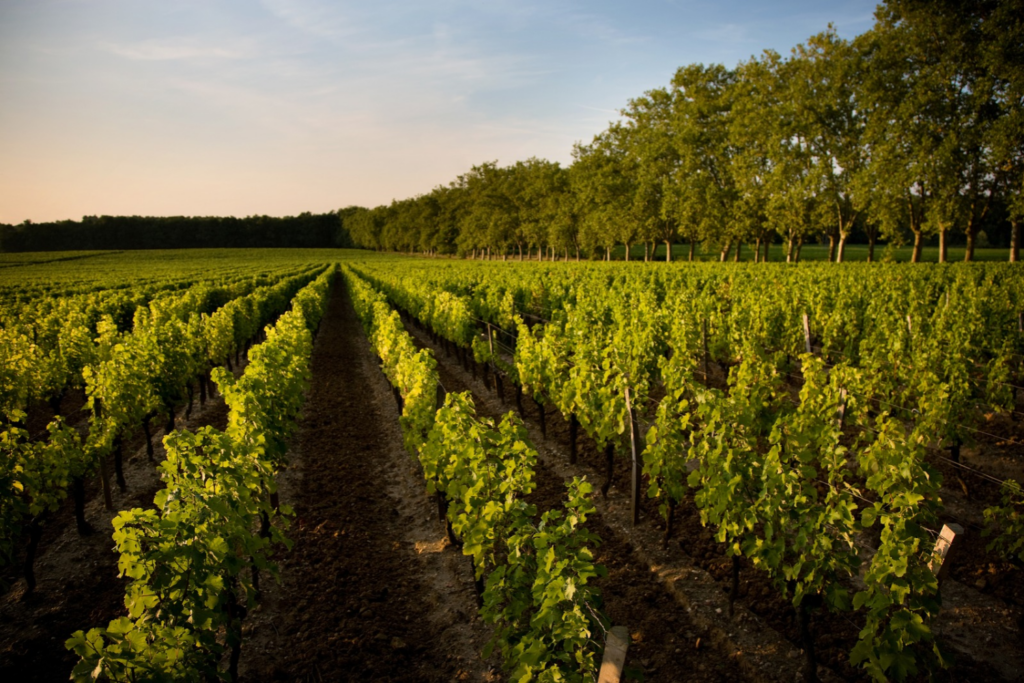
If you want to understand Burgundy, you must first accept a simple truth: nowhere in the world is terroir taken as seriously as here. In no other wine region has the relationship between grape variety, soil, climate, and location been observed, documented, and perfected so intensively over so many centuries. Burgundy is not just a wine region. It is a philosophy. An obsession. For many wine lovers, a great Burgundy represents the highest expression of what wine can be.
The region stretches for approximately 250 kilometers from Chablis in the north to Mâcon in the south and at first glance seems surprisingly small compared to Bordeaux, Tuscany, or Napa Valley. But Burgundy's true greatness lies not in its size, but in its complexity. Here, just a few meters within a vineyard can make the difference between a good wine and a world-famous one.
A story that dates back over 1.000 years.
The history of Burgundy's winemaking dates back to Roman times, but the region acquired its defining character in the Middle Ages. The Benedictines, and later the Cistercians, in particular, left a lasting mark on Burgundy. For centuries, the monks meticulously observed which plots of land produced the best Wines. They documented differences in soil composition, sun exposure, and water supply long before the concept of terroir even existed.
Many of Burgundy's most famous vineyards trace their origins directly back to this work. It was the monks who recognized that certain small plots produced exceptional Wines year after year. These insights formed the basis for today's classification system, which is among the most precise in the world.
In 2015, the famous "Climats de Bourgogne" were even declared a UNESCO World Heritage Site. These are not climate zones, but precisely defined vineyard sites, whose boundaries have remained unchanged in some cases for centuries.
Pinot Noir and Chardonnay at their peak
Burgundy is home to two grape varieties that enjoy cult status worldwide: Pinot Noir and Chardonnay.
In the best vineyards of the Côte de Nuits, Pinot Noir achieves a depth and complexity that few other regions can replicate. Great Burgundies often don't display powerful fruit, but rather captivate with their finesse, transparency, and almost weightless elegance. Aromas of red cherries, raspberries, violets, forest floor, truffles, mushrooms, and oriental spices develop with increasing ripeness into an impressive overall picture.
Chardonnay, in turn, finds perhaps its most noble expressions in the Côte de Beaune. While many Chardonnays worldwide strive to impress with fruit and oak aging, great white Burgundies convince through precision, tension, and minerality. A great Montrachet or Corton-Charlemagne possesses the power of a Red Wine combined with the finesse of a great White Wine.
The secret lies in the terroir
Anyone visiting Burgundy will be surprised by how unspectacular many of its famous vineyards appear. There are no spectacular terraces like those along the Moselle and no dramatic landscapes like those in Priorat or the Douro Valley. And yet, some of the world's most expensive and sought-after Wines are produced here.
The key lies in the soil. Millions of years old layers of limestone and marl shape the character of the region. Ideal conditions prevail, especially along the Côte d'Or, the "golden slope." The vineyards are mostly situated on gentle east-facing slopes that benefit from the morning sun while simultaneously being protected from extreme weather conditions.
The fascinating thing is that two adjacent parcels of land can produce Wines with completely different characters. That's why in Burgundy, the focus is often not on the winery, but on the vineyard site itself.
The Côte d'Or: The Heart of Burgundy
The Côte d'Or is undoubtedly the center of the region and is divided into two legendary areas.
Coast of Nights
This is where some of the world's greatest Red Wines are produced. Names like Gevrey-Chambertin, Chambolle-Musigny, Vosne-Romanée and Nuits-Saint-Georges regularly give connoisseurs goosebumps.
Vosne-Romanée, in particular, is considered one of the most sacred places in the wine world. It is home to vineyards such as Romanée-Conti, La Tâche, Richebourg, and Romanée-Saint-Vivant. Many experts regard the Wines of this commune as the most perfect expression of Pinot Noir.
Beaune Coast
Further south, the Côte de Beaune dominates, renowned for its great White Wines. Villages such as Meursault, Puligny-Montrachet, and Chassagne-Montrachet are among the most famous Chardonnay appellations in the world.
The Montrachet vineyard, in particular, enjoys an almost mythical status. Many wine lovers consider it the best White Wine vineyard in the world.
The most famous vineyards of Burgundy
No article about Burgundy would be complete without a look at its legendary producers.
Domaine de la Romanée-Conti (DRC) is undoubtedly the most famous winery in Burgundy. Bottles regularly fetch five- to six-figure sums at auctions. The Wines are considered the epitome of elegance, complexity, and aging potential.
Domaine Leroy enjoys a similarly legendary reputation among collectors. Lalou Bize-Leroy revolutionized the region's understanding of quality with uncompromisingly low yields and biodynamic viticulture.
Domaine Armand Rousseau is an icon in Gevrey-Chambertin and is known for some of the most sought-after Pinot Noirs in the world.
Domaine Comte Georges de Vogüé produces some of the finest and longest-lasting Red Wines in Burgundy in Chambolle-Musigny.
In the White Wine category, Domaine Coche-Dury , Domaine Leflaive , and Domaine Roulot are among the absolute benchmarks. Their Wines combine power, minerality, and precision at an exceptional level.
Curious and fascinating facts about Burgundy
Burgundy boasts some of the highest land prices in the wine world. A single hectare in Grand Cru vineyards can theoretically be worth tens of millions of euros.
Due to French inheritance laws, vineyards were increasingly divided over generations. As a result, many producers today own only tiny shares of renowned vineyards. It is not uncommon for several dozen winegrowers to produce grapes from the same vineyard.
Unlike Bordeaux, where blends of different grape varieties often dominate, Burgundy relies almost entirely on single-varietal Wines. This makes the influence of the terroir particularly evident.
Furthermore, Burgundy is among the regions with the greatest Vintage variations. Climatic conditions here can have a tremendous impact on quality and style. This is precisely what makes Burgundy so exciting for many collectors.
Why Burgundy never lets wine lovers go
Burgundy's greatest Wines rarely impress through power or concentration alone. Their magic lies in their ability to be both intense and delicate. They possess a transparency that allows one to literally taste their origin and Vintage.
Many wine regions produce great Wines. Burgundy, however, achieves something rare: it evokes emotions. A great Burgundy can simultaneously smell of red fruits, forest, spices, flowers, and minerals, and yet still appear perfectly harmonious. This is precisely why Burgundy remains a lifelong passion for many connoisseurs, and for some, even an obsession.
Book recommendation for all Burgundy lovers
If you want to delve deeper into the fascinating world of Burgundy, there's hardly a better recommendation than Jasper Morris's "Inside Burgundy ." Considered the most comprehensive modern reference on the region, it offers unique insights into vineyards, producers, history, and terroir. For serious wine lovers, it's practically required reading.
And if reading this has given you a craving for a great Burgundy: We deliver the finest Burgundy Wines to your door in Vienna within 30 minutes . 🍷🚴♂️


