
Methods
Maceration explained simply: A traditional method behind high-quality alcohol flavors
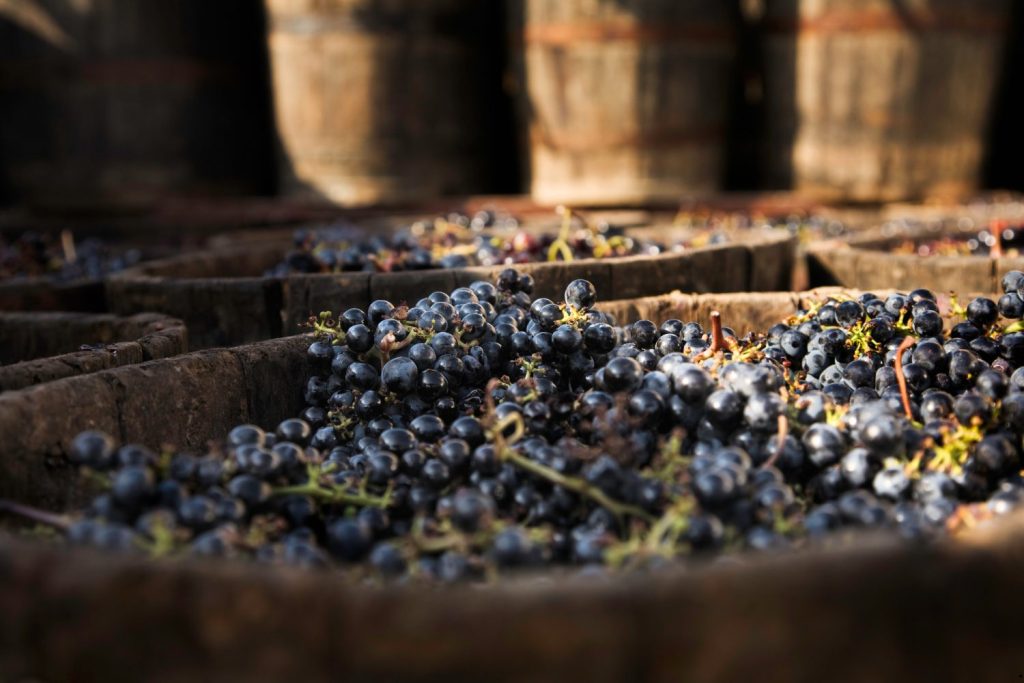
Maceration is a versatile extraction method used in many fields – from perfumes and herbal medicine to culinary infusions and essential oils.
In alcohol production – especially for wine, spirits, and liqueurs – maceration means that fruits, grape skins, spices, or botanicals are steeped in alcohol or fermenting juice. During this process, the liquid absorbs color, essential oils, tannins, and flavor compounds from the solid ingredients. Because the method generally requires no heat, even the most delicate aromas are preserved.
In winemaking, maceration plays a crucial role in structure and complexity. Extended contact between the grape skins and the juice influences color, texture, and tannin content. In spirits production, maceration is a key process for creating liqueurs, amari, flavoRed Wines, and botanical gins.
The history of maceration
Maceration is an ancient technique with roots stretching back thousands of years. Ancient cultures like the Egyptians and Greeks used it to extract medicinal properties from plants. By steeping herbs and flowers in oil or wine, they created powerful remedies, fragrances, and ritual beverages.
In the Middle Ages, the method was further refined by European monks. Monasteries developed herbal liqueurs and tonics by preserving medicinal plants in alcohol. Many famous spirits we still know today—such as Benedictine and Chartreuse—originate from these early apothecary traditions. With the advanTement of distillation, maceration became a cornerstone of spirits production. From early fruit brandies to modern gins and amari, steeping ingredients in alcohol allows for the precise capture of fresh, natural aromas. Even today, maceration remains one of the most respected methods in winemaking and the production of high-quality spirits.
Alcohol brands that use maceration
Many well-known alcohol brands rely on maceration to achieve their signature style. For example:
-
Laurent-Perrier Rosé Champagne is produced using the maceration or saignée method, in which Pinot Noir grapes remain in contact with their skins to obtain natural color and intense berry aromas.
-
Hendrick's Gin uses macerated botanicals prior to distillation to enhance depth and aromatic intensity.
-
Aperol and Campari also use maceration to extract aromas from citrus fruits, herbs, and roots.
Why maceration is important
Maceration remains one of the most effective methods for achieving authentic, naturally derived flavors in alcohol production. Whether in champagne, liqueurs, or botanical spirits, this traditional technique continues to shape some of the world's most iconic drinks. Enjoy them with our fast and free delivery service in Vienna!


0,75 l

0,75 l


